Craftwork 2022

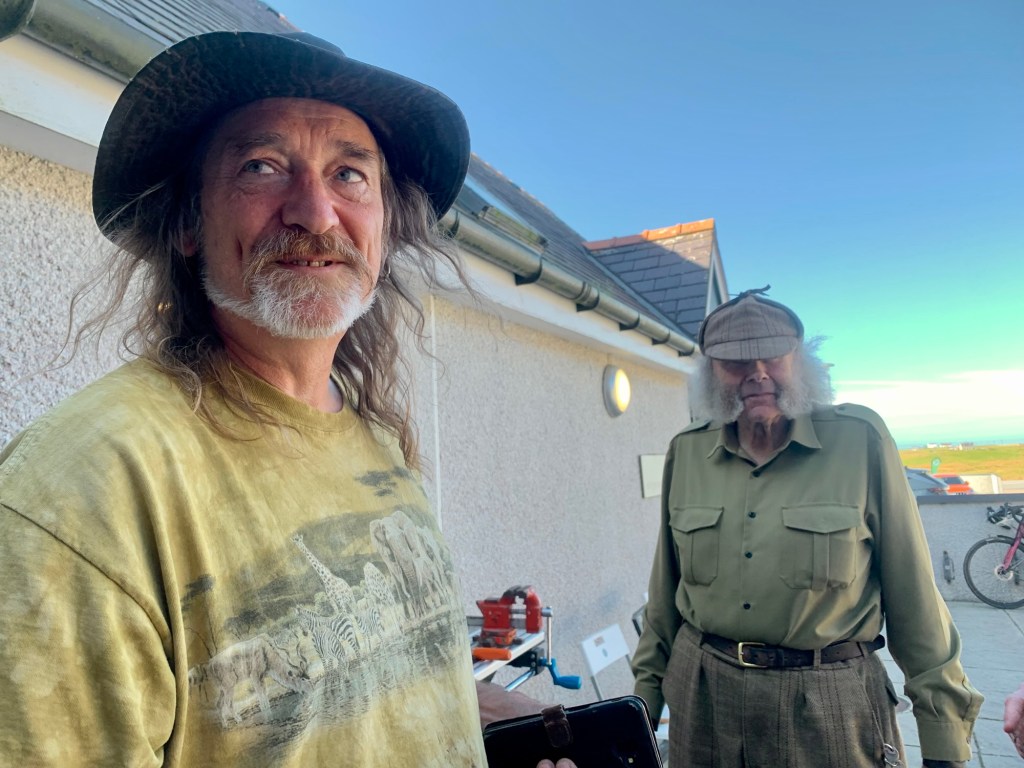
We ran workshops at the local museums, schools and community centres, as well as offering a pint with the past at two local hotels.
This further demonstrated that there was an interest and appetite in antler as a material, in the techniques of this endangered craft and the social and economic opportunities that crafts can offer.
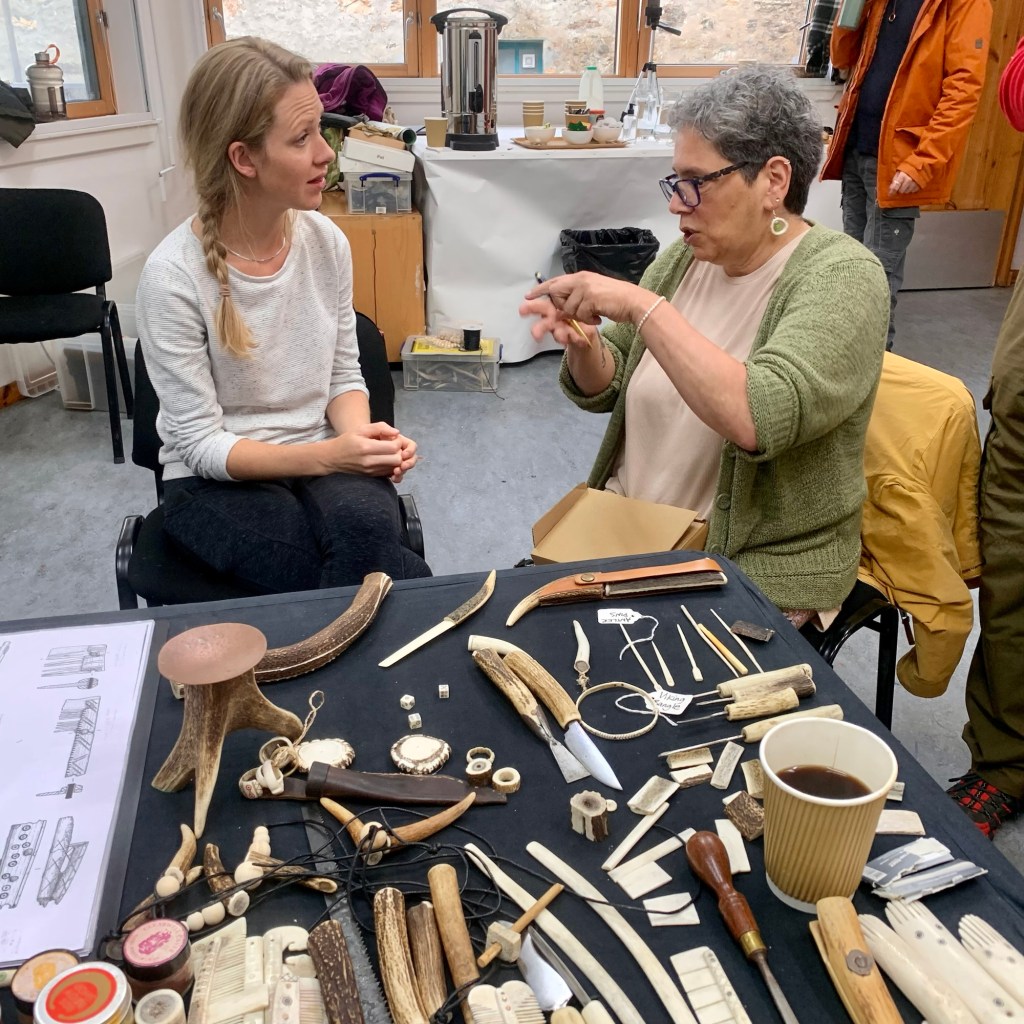
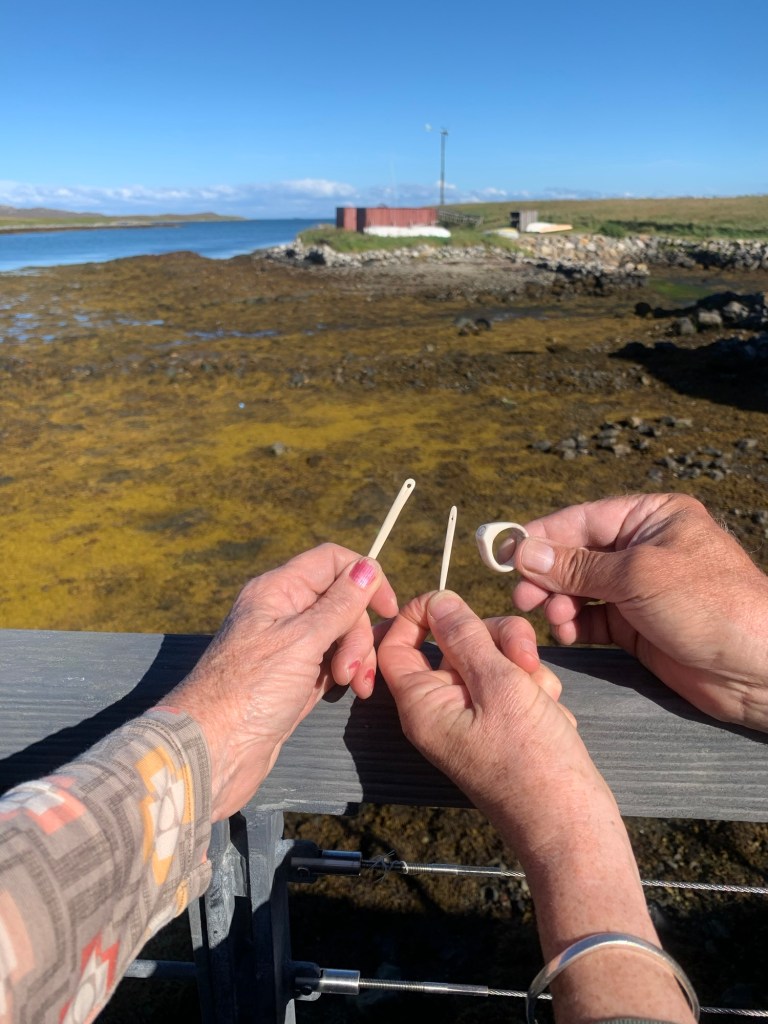


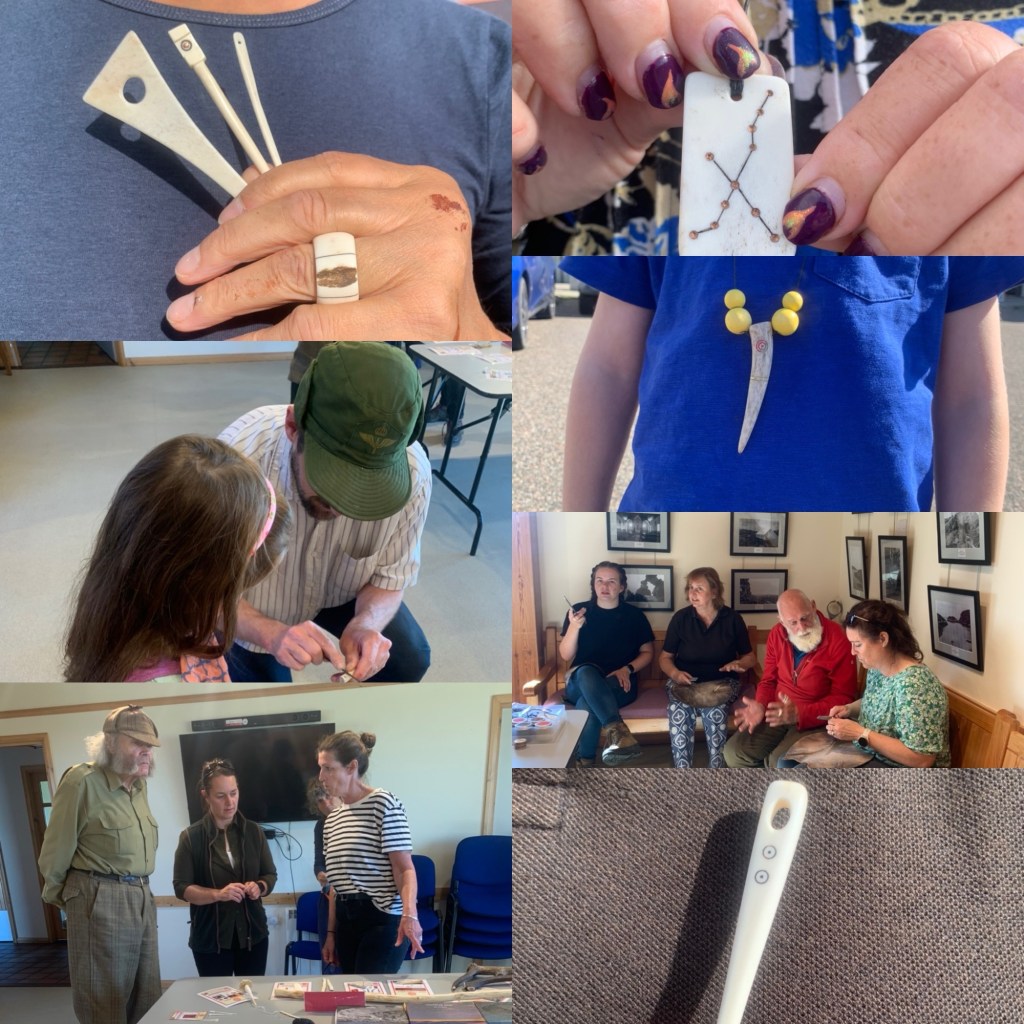


We created copies of key antler and bone artefacts for the school and local museums. These showcase the uses and skills associated with bone and antler crafts in the past.

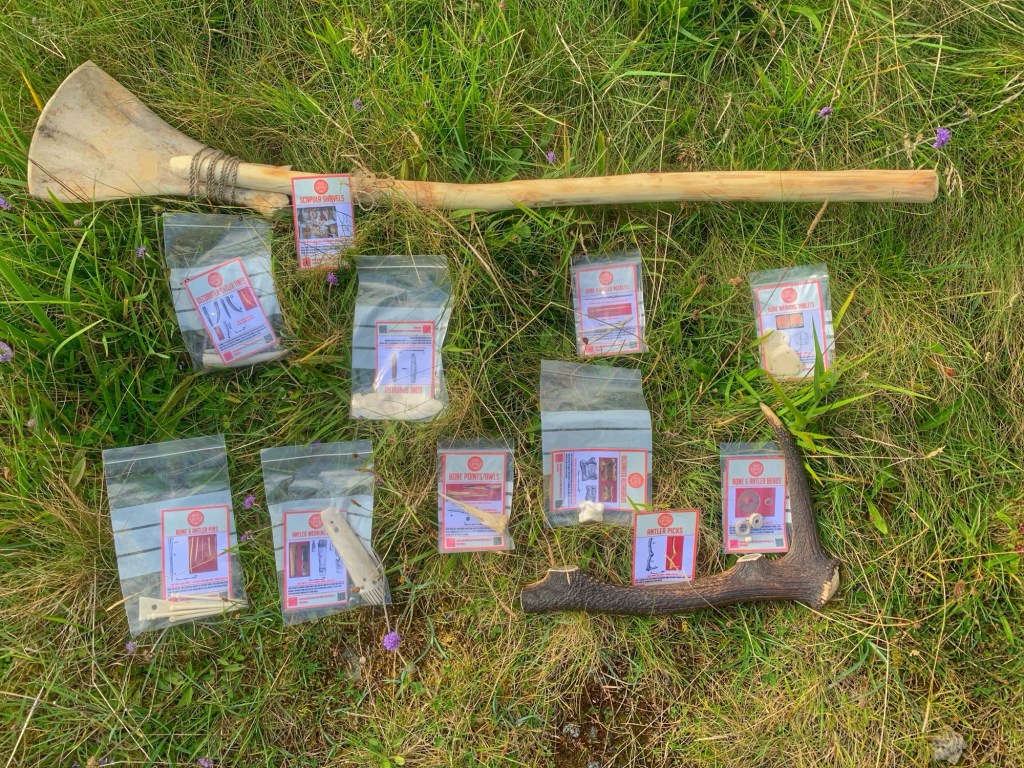
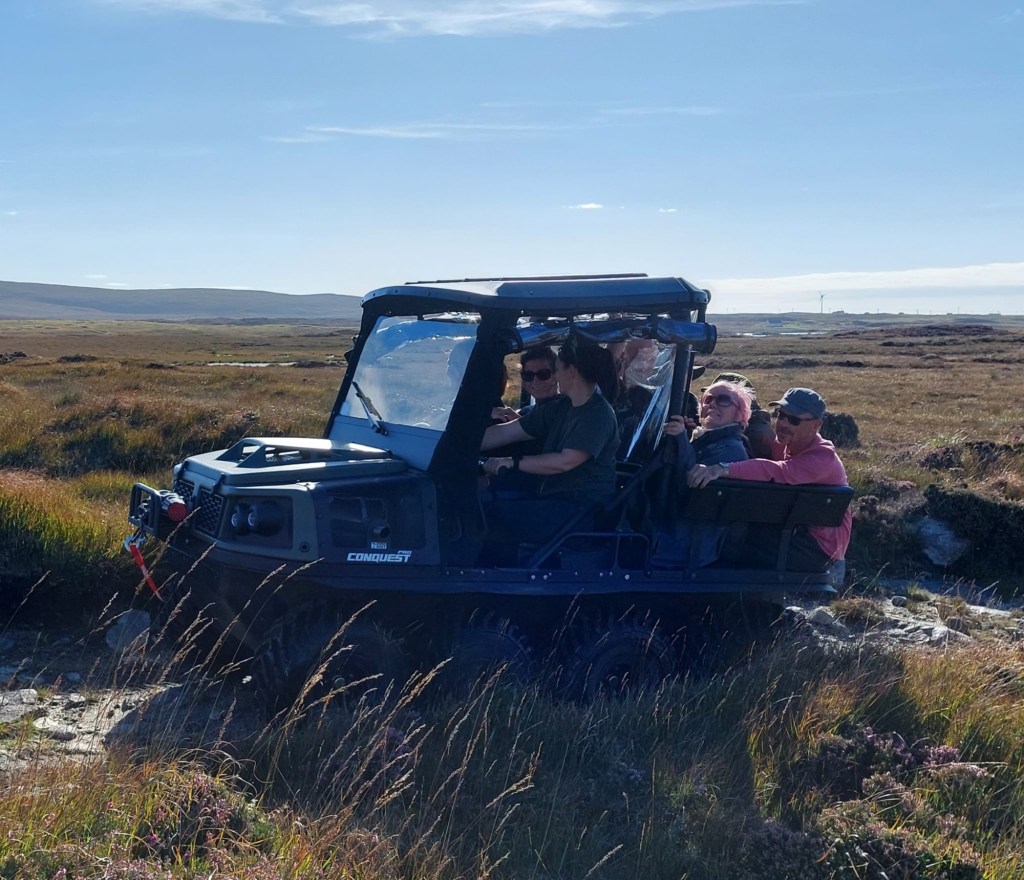
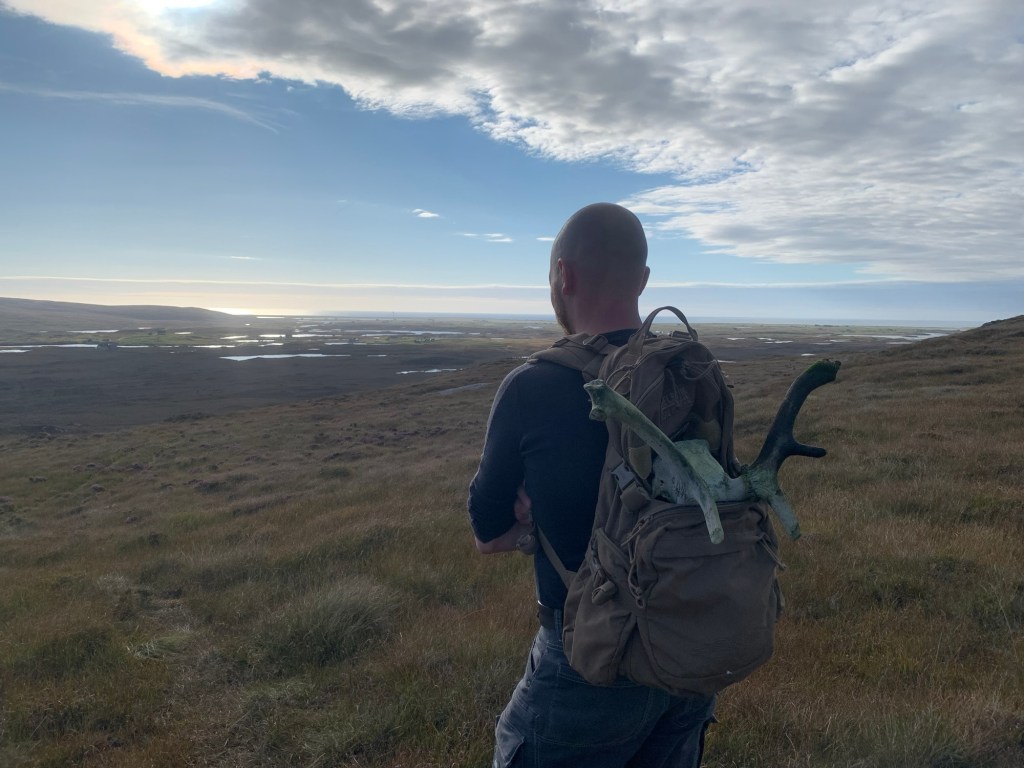
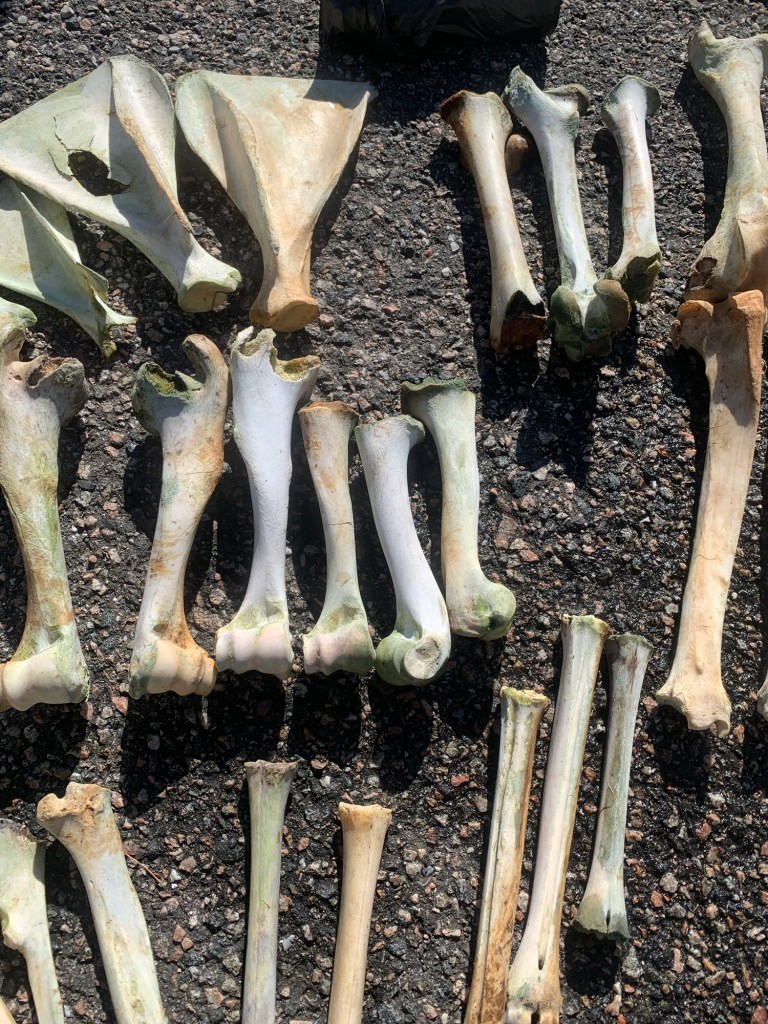
We met up with gamekeepers old and new. This allowed us to explore how deer live in the landscape and to collect deer bone for our research.
We also took a boat tour with Uist boats.


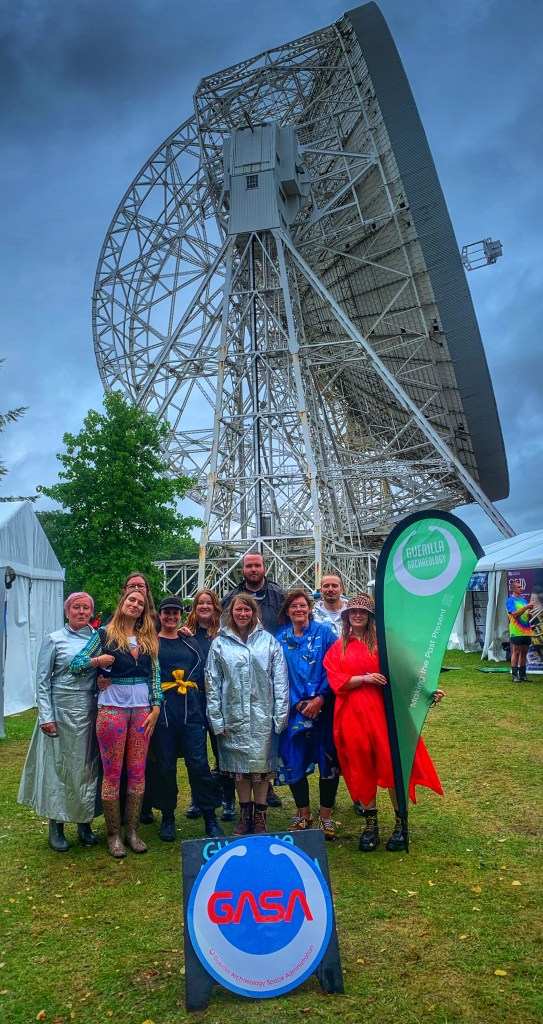
GASA – Guerilla Archaeology Space Administration
We have always looked to the skies. Traces of our obsession are visible in the structures we build, the images we make and our attempts to understand just what’s out there.
Join us in considering all aspects of space and time as we voyage across the centuries, across the globe and out to the galaxies to understand our interstellar ambitions.
From the archaeology of space exploration, to xenoarchaeology (the archaeology of extra-terrestrial civilisations in Sci-Fi), to the use of space technologies in understanding ancient structures.

Come create time capsules, explore satellite surveys, sky observations and lunar landing archaeology. And, whilst you’re here, just what evidence is there for alien interventions? From tales of ancient aliens introducing technologies, to extraordinary humans creating the Pyramids as communication devices and ancient giants who ruled America – just what do archaeologists really think?
The truth is in here.
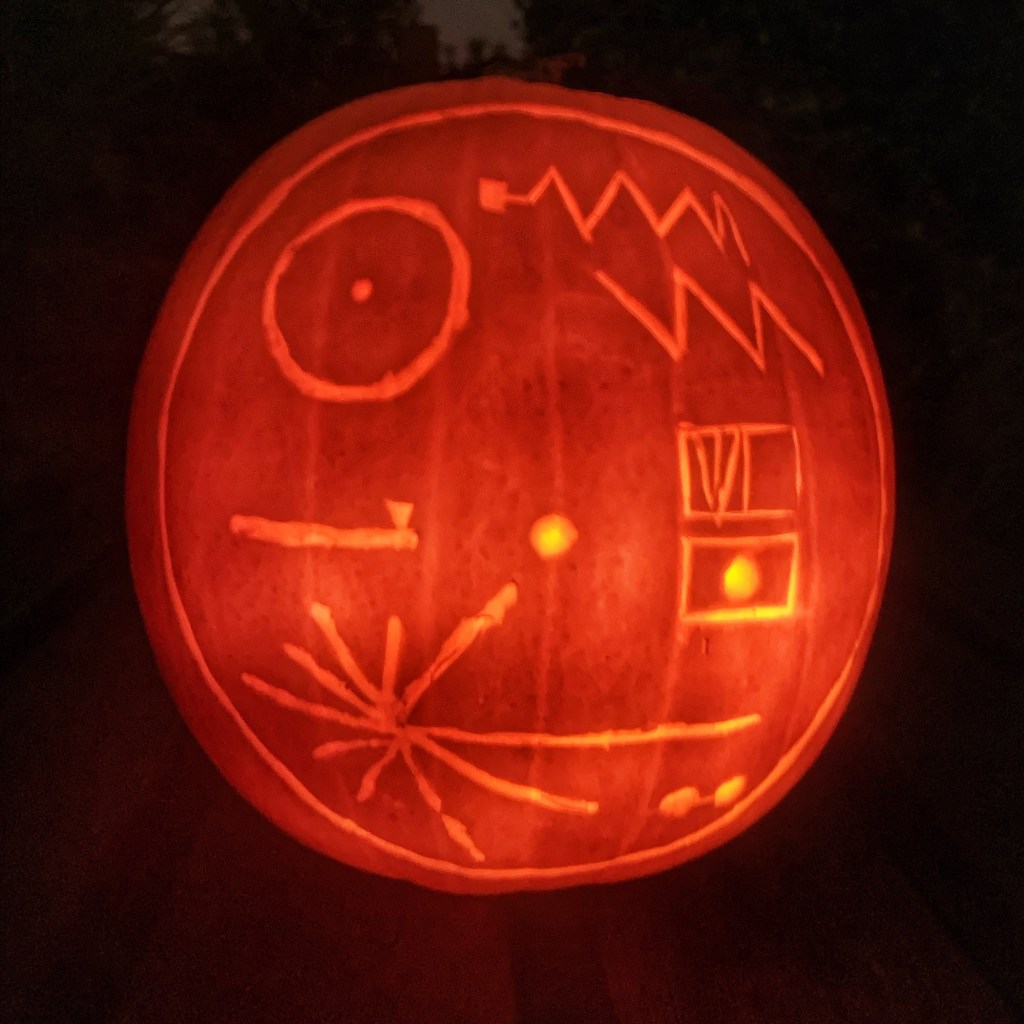
The Voyager Records
The Voyager 2 mission sent a record of human life to space. This was a long-playing gold coated record with images and sound.
It will take about 40,000 years for the satellite to reach a potential life bearing planet.
Find out where Voyager 2 is now here – it’s about 13 billion miles away in 2025 heading into interstellar space.
The Golden Record is very far from home.
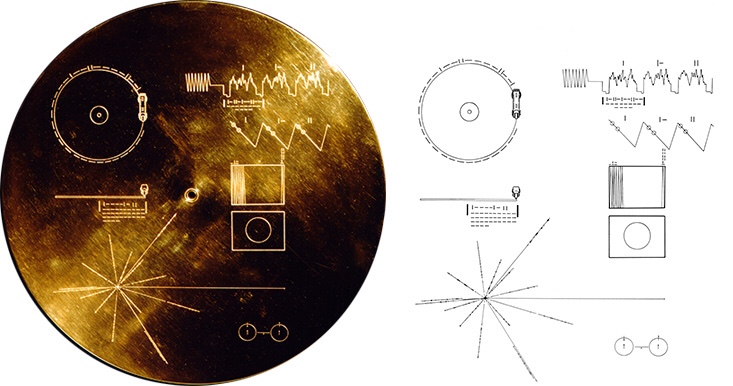
What do you make of these records? What would the aliens make of these records?
Information sent focused on the Solar System, human biology, culture and technology and the natural. They avoided negative or contentious issues, such as disease, death or war. They included images of beautiful earth. Find out more here.
People of the past have sent us a record of human life. We call this the archaeological record. This is made up of objects, images and structures, but no sounds.
We identified six categories on the Golden Record, and we used them to think about how people in the past thought about themselves and their lives, and our place in the universe.
- Humans – what do we look like, how do behave?
- Food – where does it come from, how do we make and eat it?
- Structures and technology – what have we built? Where is home?
- Music – what have we created?
- Beautiful earth – what moves us?
So when the Golden Record meets the next theoretically inhabitable planet in about 40,000 years – what will the earth be like? Will the Golden Record represent the way we live? Will we be able to interpret it?
The time difference will be the same as if we were looking at evidence from the Palaeolithic, when megafauna roamed the land and there were many different types of hominids.
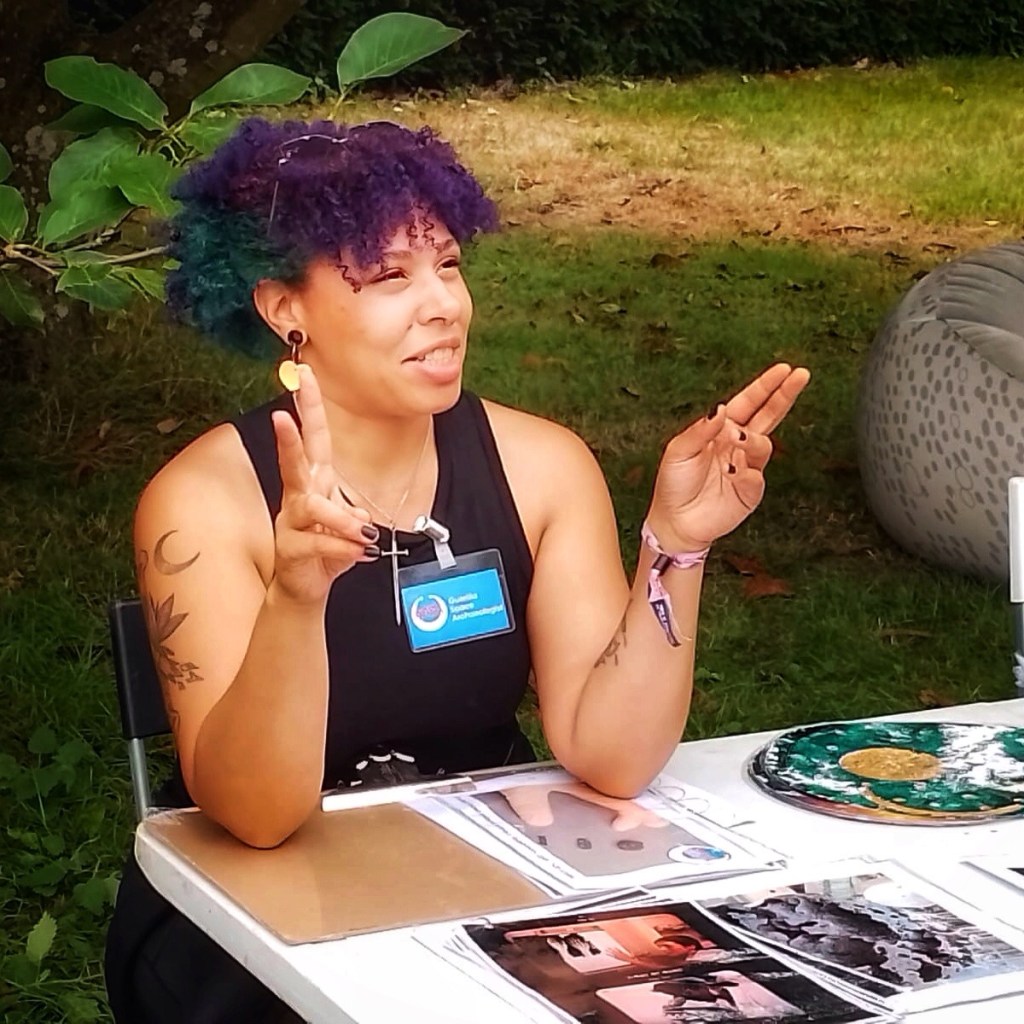


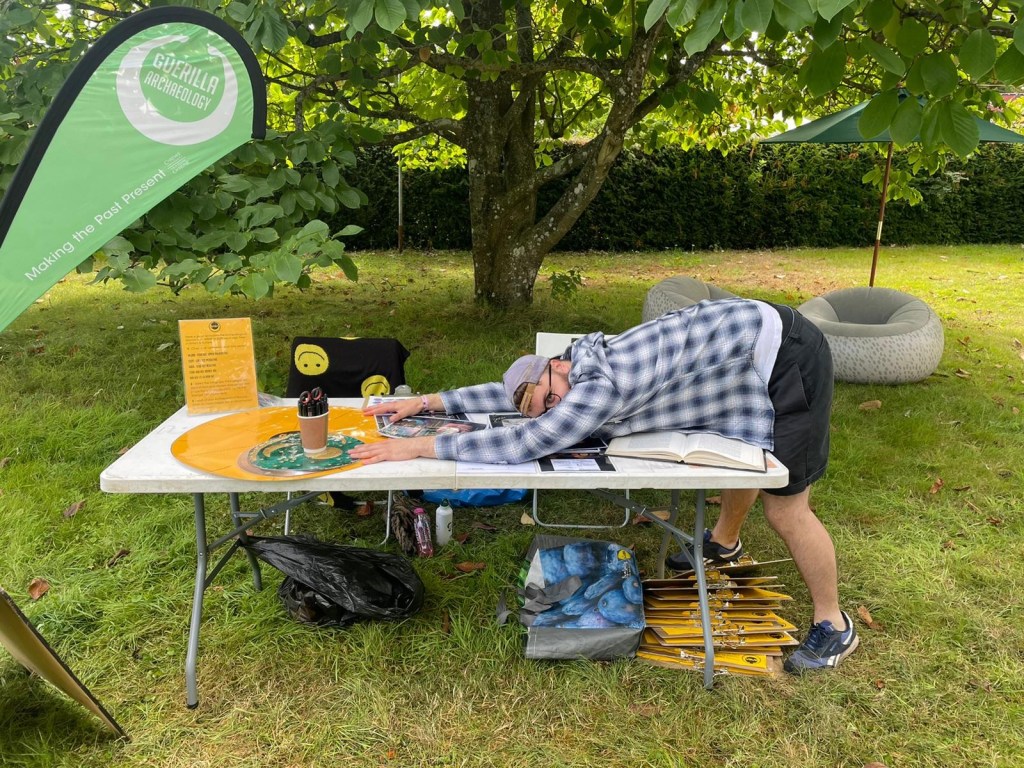
So we collected information in these five categories from the past 40,000 years and shared them with people to explore the challenge that archaeologist have in interpreting the far distance past.

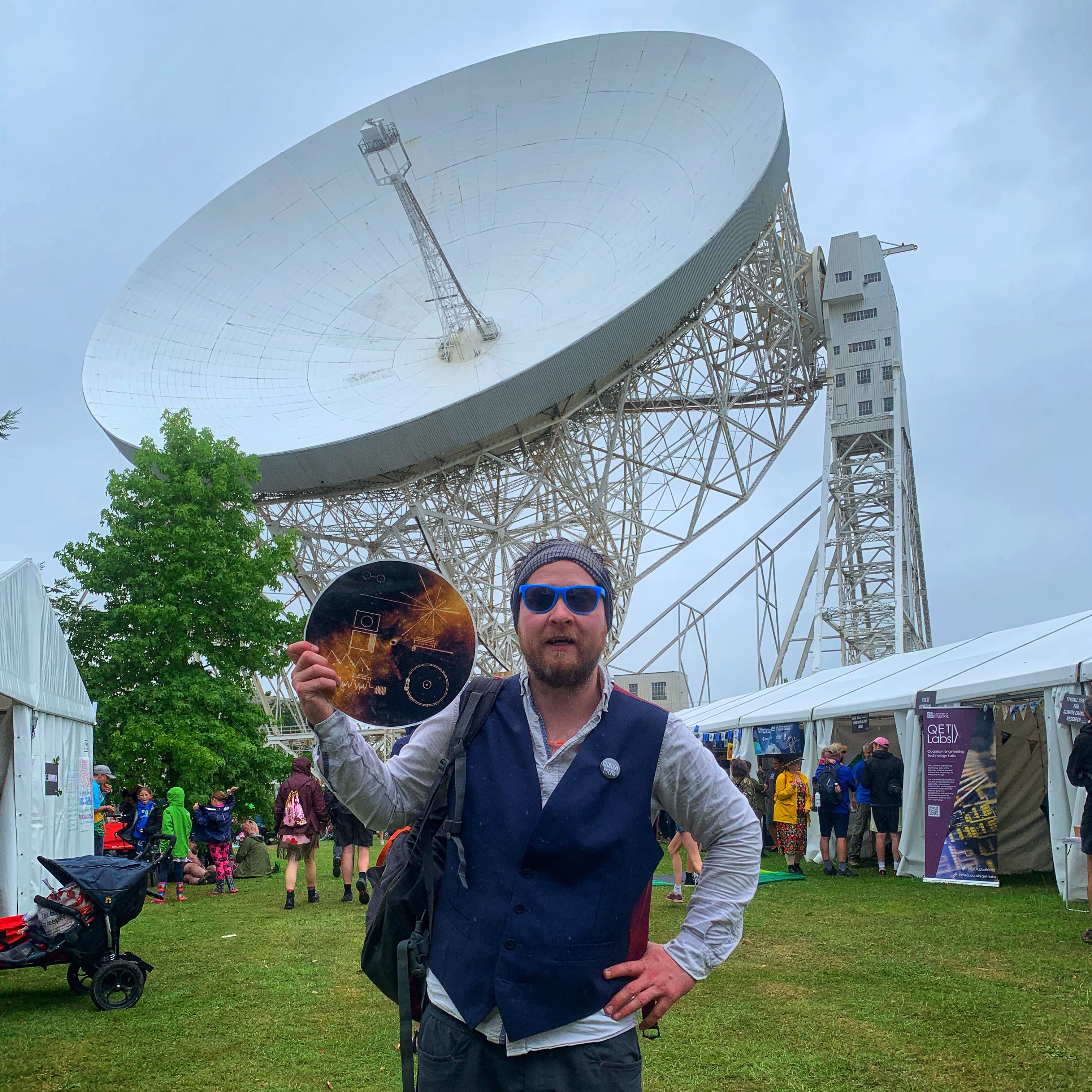

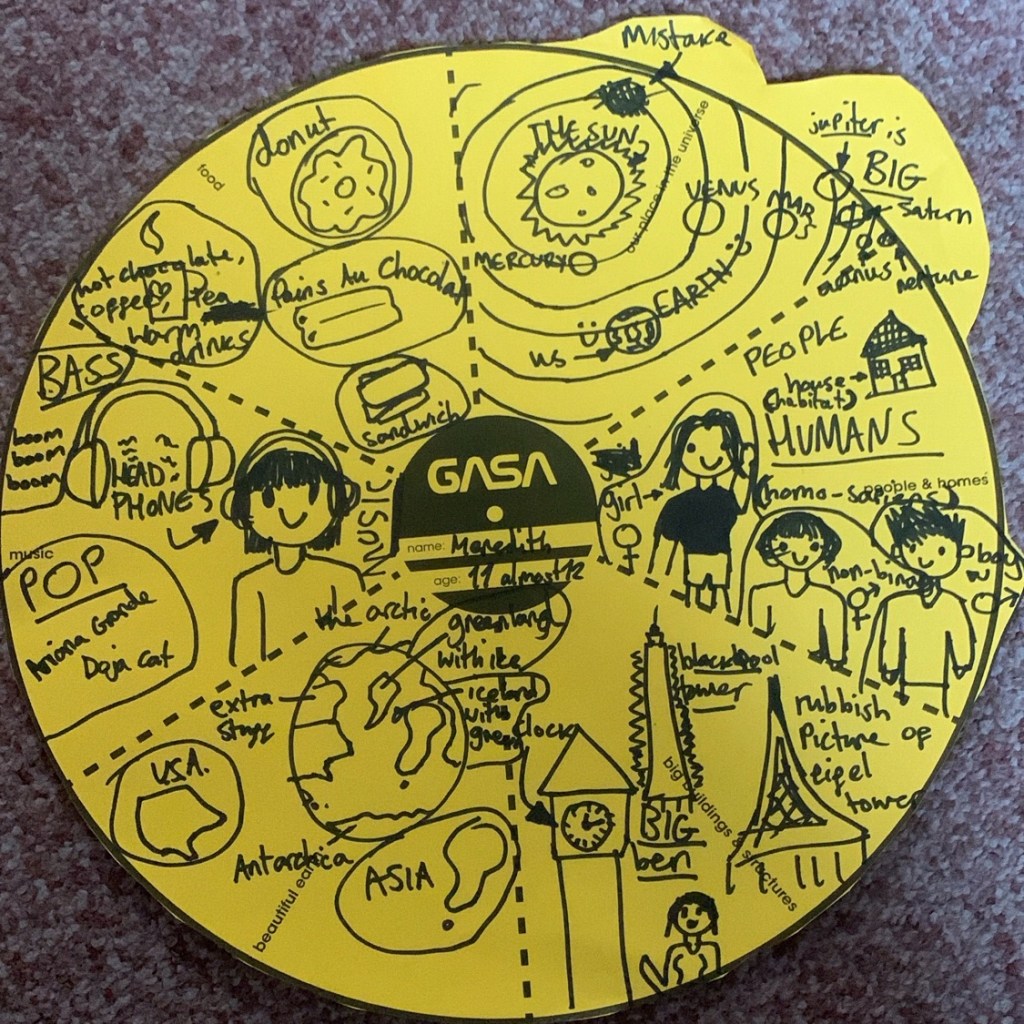
We also invited people to make their own Golden Record to send to the future.
They used text and images to explore each of the six categories on the original record. Buildings, people, food, music, beautiful earth, the universe.
Pumpkin Art 2022
Craftwork 2022
Follow the link to discover how ancient knowledge is sparking new craft and shaping debates on present day deer management.
 Guerilla Archaeology